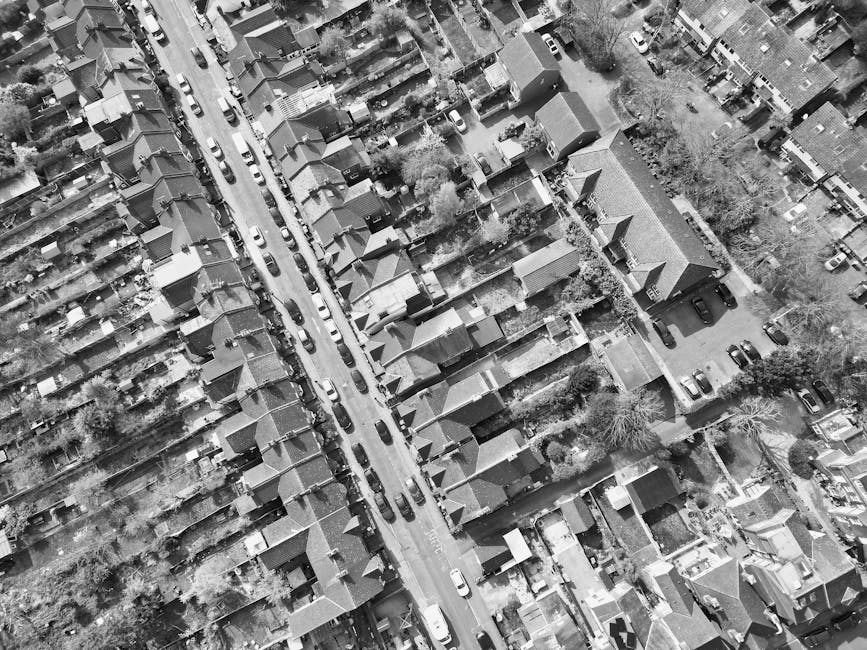
Access problems for Hanwell gardeners on narrow streets
Getting garden work done in Hanwell sounds straightforward until the van meets a tight one-way street, no parking, and a front gate that barely opens wide enough for a barrow. That is where access problems for Hanwell gardeners on narrow streets start to matter. The job may still be perfectly doable, but it often needs a different plan, more careful timing, and the right equipment. If you live on a compact terrace road, a mews-style lane, or a street where every inch counts, this guide will help you understand what changes, what to expect, and how to make the whole process smoother.
In real terms, access is not just about getting a person through the gate. It affects everything: parking, unloading, waste removal, mower size, hedge work, tree work, and how long the job takes. A little planning goes a long way. And yes, sometimes the smallest detail is the one that saves the day.
Table of Contents
- Why access problems on narrow streets matter
- How access issues affect garden work
- Key benefits of planning access properly
- Who this is for and when it makes sense
- Step-by-step guidance
- Expert tips for better results
- Common mistakes to avoid
- Tools, resources and recommendations
- Law, compliance, standards and best practice
- Options, methods and comparison table
- Case study or real-world example
- Practical checklist
- Conclusion
- Frequently Asked Questions
Why access problems for Hanwell gardeners on narrow streets matters
Access issues change the whole shape of a garden job. On a roomy suburban drive, a team can unload tools, move waste, and shift equipment with little fuss. On a narrow Hanwell street, that same work can turn into a careful exercise in logistics. Parking may be limited, front gardens may sit close to the pavement, and back access can be awkward or not available at all.
That matters for a few reasons. First, it affects time. A job that looks simple may take longer because materials need to be carried by hand. Second, it affects safety. Garden machinery, green waste bags, ladders, and heavy timber become more awkward when there is nowhere easy to stage them. Third, it affects the final result. If access is badly planned, a team may have to use smaller tools, work in stages, or adapt the service to fit the site.
To be fair, this is not unusual in parts of London. Many homes in Hanwell have charming, older layouts that simply were not designed around modern vans, chipper machines, or bulk waste removal. It does not mean the garden cannot be maintained well. It just means the practical approach has to match the property.
Practical takeaway: narrow street access is less about inconvenience and more about preparation. The better the site information, the smoother the job, the cleaner the finish, and the lower the risk of delays.
If you are planning regular upkeep, it can also help to think beyond the immediate task. A more accessible routine often works better over time, especially when paired with sensible garden maintenance or a broader services overview that fits the property's layout.
How access problems for Hanwell gardeners on narrow streets works
When a gardener arrives on a narrow street, the first question is usually simple: how will they actually get the work done without blocking neighbours or fighting the space? The answer depends on four things: vehicle access, pedestrian access, waste handling, and the size of the work area.
1. Vehicle access
Some streets allow short stopping windows, while others are tight enough that a van may need to park further away. In those cases, tools and materials must be carried from the vehicle to the property. That can be fine, but it needs to be planned. If the job includes heavy items such as soil, rubble, old fencing, or timber, it becomes more important to know the route from van to garden before the day begins.
2. Pedestrian access
Gardeners may need to move through side passages, shared entrances, or narrow rear paths. Sometimes the access is technically there, but it is too cramped for powered equipment. A lightweight mower may work; a larger machine may not. The same goes for hedge trimmers, tree pruning tools, and clearance sacks. It sounds obvious, but plenty of problems come down to not measuring the gate properly.
3. Waste handling
Green waste can pile up quickly. If a team cannot wheel bags straight to a vehicle, they may need to stage waste in smaller loads. That works, but it adds labour. In dense streets, careful bagging and tidy stacking make a noticeable difference. Nobody wants a trail of clippings across the pavement on a damp Tuesday morning. Let's face it, that is the sort of thing people remember.
4. Job design
Sometimes the service itself needs adjusting. For example, a full-scale clearance may be split into sections. A hedge may be cut in phases rather than all at once. A lawn may be mown with a smaller machine or by hand on the trickier edges. This is not a downgrade. It is simply the correct method for the site.
For larger or more disruptive jobs, access planning often goes hand in hand with garden clearance, lawn mowing, or hedge trimming, depending on what needs doing first.
Key benefits and practical advantages
Good access planning is not just about avoiding hassle. It brings real, everyday advantages that improve the job from start to finish.
- Less disruption: Neighbours are less likely to be affected by blocked pavements, repeated van movements, or noisy back-and-forth carrying.
- Cleaner work: When tools and waste are moved in an organised way, the garden and access route stay tidier.
- Safer handling: Smaller loads and sensible routes reduce the chance of slips, trips, and dropped tools.
- More accurate pricing: Clear access information helps the gardener price the job more fairly and avoid surprise extras.
- Better results: The right equipment and method usually produce a more consistent finish.
- Fewer delays: No one wants to spend half the day hunting for parking or improvising with equipment that is too big for the site.
There is another benefit people often miss. Good access planning makes the relationship between customer and gardener much calmer. Once the practical barriers are understood, the conversation can move to what really matters: what the garden needs and how best to improve it.
That can be especially useful if the work is part of a wider landscaping project, where access affects everything from material delivery to waste removal. In those cases, services like landscaping or landscape gardening often benefit from early site assessment.
Who this is for and when it makes sense
This topic is relevant to a surprisingly wide group of people. If your property sits on a narrow road, a single-track access lane, or a terrace street where parking is tight, this will probably sound familiar.
- Homeowners who want regular garden care without repeated access headaches.
- Landlords who need gardens kept presentable between tenancies, often on a schedule.
- Older homes where side access is limited or the garden sits behind the house.
- Busy families who need reliable service on days when cars, bins, and school runs are already competing for space.
- Property managers balancing neighbour expectations, timing, and maintenance budgets.
- Anyone planning larger work such as hedge reduction, clearance, tree work, or a new deck.
It makes sense to address access before the booking is confirmed if the job involves anything larger than light tidying. If you are only having a small lawn cut or a quick hedge trim, the impact may be modest. But for bigger jobs, access can decide how many people are needed, how long the job takes, and which tools can be used safely.
If you are not sure where your job fits, a service consultation can help. The key is honest detail, not perfection. A rough description of the driveway, gate width, or parking situation is often enough to avoid a messy first visit. And yes, saying "it's a bit tight" is actually useful information.
Step-by-step guidance
Here is a practical way to handle access problems for Hanwell gardeners on narrow streets without overcomplicating things.
- Describe the access clearly. Mention whether there is front, side, or rear access, whether steps are involved, and if the garden can only be entered through the house.
- Explain parking realities. Say whether a van can stop outside, whether loading is possible nearby, or whether everything must be carried from further away.
- Share gate and passage details. A narrow gate or tight side return can change the equipment choice completely.
- Flag difficult waste. Old sleepers, rubble, soaked soil, or large branches often need special handling.
- Match the service to the access. A compact mower may be better than a heavy one; smaller bags may work better than overfilled sacks.
- Plan the sequence. Sometimes the smartest approach is to start with clearance, then follow with trimming, mowing, or landscaping.
- Allow a buffer. On narrow streets, a little extra time is normal. Rushing is where things get clumsy.
- Review after the first visit. If a route worked well once, it can often be repeated efficiently next time.
A quick real-world example: a small rear garden behind a Victorian terrace may look simple from the outside, but if the only access is through a narrow hallway and a kitchen door, then soil delivery, plant pots, and waste bags all need to be handled differently. That does not make the job difficult in a dramatic sense. It just makes it more precise.
When clearance is involved, many households find it easier to combine access planning with garden clearance rather than trying to remove clutter in separate, awkward stages.
Expert tips for better results
Over time, the small habits tend to make the biggest difference. Here are a few that genuinely help on narrow Hanwell streets.
Use the smallest sensible equipment
Bigger is not always better. A compact mower, a lightweight strimmer, or hand tools can often outperform bulkier kit in tight spaces because they are easier to manoeuvre and less likely to damage borders or paving.
Keep the access route clean as you go
This sounds obvious, but in practice it makes a big difference. Clearing offcuts, clippings, and mud before they spread saves time at the end. It also looks more professional. Mud on a pavement is one of those small things that can become a real annoyance, especially on a wet day.
Stage materials carefully
If bags, compost, timber, or stones must be carried through a narrow route, stage them in smaller batches. More trips, yes. But fewer accidents, fewer scuffed walls, and far less stress.
Work from the most restrictive point first
If a job includes an awkward tree branch over a tight passage, a dense hedge, and a lawn, it often makes sense to tackle the most restrictive item first. That creates room for the rest of the work and reduces the chance of damage.
Keep neighbours in mind
A little courtesy goes a long way. Quiet loading, sensible parking, and quick tidying can prevent a lot of tension on streets where everyone is already living close together.
If the job includes a structure or hardscaping element, access planning is even more important. Projects involving decking services or broader landscaping usually benefit from a site visit before any materials are ordered.
Common mistakes to avoid
Most access problems are manageable. The trouble starts when people assume the job will "sort itself out on the day." It rarely does. Here are the mistakes that cause the most friction.
- Underestimating gate width: A few centimetres can decide whether a mower fits or not.
- Forgetting parking limits: If the van cannot stop close by, everything takes longer.
- Not mentioning stairs or slopes: A gentle-looking slope can become awkward when wheeling bags or carrying tools.
- Leaving waste until the end: Large piles of cuttings can block movement and create extra work.
- Choosing the wrong service sequence: Clearing after trimming may be fine, but sometimes clearance should happen first.
- Assuming all gardens are approached the same way: Older Hanwell properties often need a more tailored approach.
- Ignoring weather: Wet paths, slippery paving, and soggy soil make narrow access even trickier.
One small but important mistake is not preparing the route inside the property. A narrow hallway, a low ceiling in a side passage, or delicate indoor flooring can all matter if access runs through the house. It sounds fussy. It isn't. It is the difference between a smooth visit and a day of awkward apologies.
Tools, resources and recommendations
You do not need specialist kit for every job, but certain tools and approaches are much better suited to narrow-street access.
| Need | Best-fit approach | Why it helps |
|---|---|---|
| Small lawn areas | Compact mower or hand finishing | Easier to move through tight gaps and around obstacles |
| Heavy clippings or green waste | Smaller bags, staged collection | Reduces lifting strain and keeps routes clear |
| Dense hedges | Section-by-section trimming | Creates working space and keeps the job controlled |
| Overgrown plots | Clear first, shape second | Prevents access from getting worse as the job progresses |
| Tight side passages | Lightweight tools and careful route planning | Limits damage and makes movement safer |
For many households, the most useful "resource" is simply a clear conversation before the job starts. A couple of phone photos, a rough sketch, or a plain description of the garden entrance can help a lot. Nothing fancy. Just enough detail to avoid surprises.
It can also be worth looking at the wider service picture. If access is a recurring issue, ongoing garden maintenance may be more practical than occasional large-scale work, because it keeps the garden from becoming too bulky to manage.
Law, compliance, standards and best practice
Access planning is not only about convenience. There are also safety and operational expectations to think about. In the UK, garden work should be carried out with reasonable care for people, property, and public spaces. On narrow streets, that usually means keeping pavements clear where possible, managing tools responsibly, and avoiding unsafe lifting or blocking hazards.
You do not need a legal textbook to understand the basics. The practical standard is simple: if movement is awkward, slow it down and make it safer. If a van is parked legally but awkwardly, the work still needs to account for it. If the route crosses a shared passage or a communal entrance, extra care is sensible. If cutting branches or moving waste could affect neighbours, plan around that too.
For customers, it is reasonable to ask how a gardener handles safety, access, and waste. It is also sensible to review relevant pages such as health and safety policy, insurance and safety, and recycling and sustainability if you want a clearer picture of working practices and waste handling. Those pages help set expectations without overcomplicating things.
Best practice here is not glamorous, but it is reassuring: communicate clearly, work tidily, lift sensibly, and leave the site as close to how it was found as possible. Honestly, that old-fashioned standard still holds up.
Options, methods, and comparison table
There is no single right way to manage access on narrow streets. The best method depends on what kind of work is being done, how much material is involved, and how restricted the site really is.
| Method | Best for | Trade-offs |
|---|---|---|
| Full van-side unloading | Moderately accessible streets | Fast, but not always possible where parking is tight |
| Hand-carry from nearby parking | Short jobs with light tools | Slower, yet flexible |
| Smaller staged visits | Overgrown or cluttered gardens | May take more coordination, but lowers strain and congestion |
| Compact equipment only | Very narrow access or delicate surfaces | Limits the scale of each visit, though often improves precision |
| Clearance-first approach | Heavily overgrown gardens | Requires sequencing, but often makes later work easier |
For a lot of Hanwell properties, the staged approach wins out. It may not sound as efficient on paper, but in the real world it often leads to fewer mistakes and a neater finish. That is the kind of practical compromise that makes sense on tight streets.
Case study or real-world example
Consider a typical Hanwell terrace with a rear garden reached through a narrow hallway and a side route that curves awkwardly around bins and fencing. The street outside has limited parking and turning space. A standard approach would struggle here.
Instead, the work is planned in layers. Light tools are carried in first. The most awkward overgrowth near the gate is trimmed before anything else so the route opens up a little. Green waste is bagged in smaller loads rather than left in a single heap. The lawn is cut with a compact machine, and the edging is finished by hand. Nothing dramatic. Just careful sequencing.
The result? Less backtracking, fewer scuffed surfaces, and a calmer job overall. The customer sees progress steadily rather than in a burst of chaos. The team does not waste time trying to force oversized equipment into a space that was never going to cooperate. Small victory, really, but that is often how good garden work looks when access is tight.
If the same property later needs more structural improvement, it may be worth revisiting the layout through landscape gardening or landscaping, because access constraints can shape what is sensible to install in the first place.
Practical checklist
Use this checklist before booking or starting work on a narrow street property.
- Have I described the gate, passage, and any steps clearly?
- Do I know whether a van can park close enough to the property?
- Is there rear or side access, and is it wide enough for equipment?
- Are there tight turns, low head-height areas, or fragile surfaces?
- Will the job create a lot of waste that needs bagging or staging?
- Would smaller tools work better than standard equipment?
- Does the work need to happen in stages?
- Have I considered neighbours, pavement space, and timing?
- Do I need a maintenance visit rather than a one-off heavy intervention?
- Have I checked the service pages that explain how the team works and what standards they follow?
A quick checklist like this can save a surprising amount of hassle. And if you are the sort of person who likes one tidy plan rather than three half-finished ones, it will feel worth it immediately.
Conclusion
Access problems for Hanwell gardeners on narrow streets are common, but they are very manageable when the work is planned properly. The main thing is not to treat access as a small side issue. It affects safety, time, equipment choice, waste handling, and the quality of the final result. Once that is understood, the job gets much simpler to organise.
Whether you need routine garden care, a one-off clearance, hedge cutting, or a more involved landscaping project, the smartest route is always the same: describe the access clearly, match the method to the site, and leave enough room for practical realities. That way, the work feels calmer from the first knock at the door to the final sweep-up.
If you are comparing options, it helps to review the business information on about us, service details on services overview, and pricing guidance via pricing and quotes. Clear expectations make narrow-street jobs easier for everyone involved.
Get a free quote today and see how much you can save.
Sometimes the best garden work is simply the work that fits the street, the property, and the way people actually live.
Frequently Asked Questions
How do gardeners handle narrow street access in Hanwell?
They usually adapt the job around the property. That may mean using smaller tools, carrying equipment by hand, parking further away, or splitting the work into stages. Good planning matters more than brute force here.
Does limited access make garden work more expensive?
It can, because extra walking, careful handling, or additional labour may be needed. But not every narrow street job costs more. The real answer depends on the task, the waste involved, and how difficult the access is.
Should I measure my gate or side passage before booking?
Yes, if you can. Even a rough width measurement helps. If you do not have a tape measure, a photo with a known object beside the gate can still be useful. Anything that gives a clearer picture helps.
What kind of garden jobs are hardest on narrow streets?
Heavy clearance, large hedge reductions, tree work, and jobs involving bulky waste are usually the trickiest. Simple mowing or light tidying is often easier, though it still depends on the layout.
Can a gardener work if there is no direct rear access?
Usually, yes. They may need to move materials through the house, a side passage, or a narrow front route. The key is knowing the route in advance so surfaces and furniture can be protected properly.
What should I tell a gardener before the visit?
Tell them about parking, gate width, steps, slopes, side access, and any tight indoor or outdoor routes. If there is overgrown waste or awkward debris, mention that too. Honesty saves time.
Is it better to book regular maintenance instead of one big tidy-up?
Often, yes. Regular visits can stop the garden from getting too overgrown or too awkward to manage. For narrow streets, smaller and more frequent work is sometimes much easier than a huge catch-up job.
What if my garden equipment cannot fit through the gate?
Then the gardener may use smaller equipment, hand tools, or a different sequence of work. In some cases, a service may need to be adapted. That is normal, not a problem in itself.
Do access issues affect waste removal?
Absolutely. If a van cannot park close by, green waste has to be carried further, which adds time and labour. Careful bagging and sensible staging help a lot.
What is the safest way to manage awkward access?
The safest way is usually to slow down, reduce load size, keep routes clear, and use equipment that suits the space. Rushing is where most small accidents happen, and nobody wants that on a tight street.
Can access problems be planned out before work starts?
Mostly, yes. A quick discussion, a few photos, and a clear explanation of the route are often enough to prevent surprises. That little bit of preparation tends to pay off fast.
Where can I learn more about how a gardening company works?
Useful starting points are the company's about us, insurance and safety, and accessibility statement pages. They help set expectations about service, safety, and how practical issues are handled.