Gardener Hanwell — Recycling and Sustainability
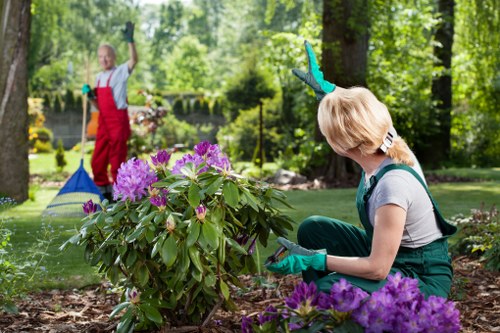 At Gardener Hanwell we take an active role in creating an eco-friendly waste disposal area and a practical, sustainable rubbish gardening area for our clients across Hanwell and the wider Ealing borough. Our approach blends everyday gardening practice with municipal recycling initiatives, meaning green waste, food scraps and recyclable packaging all follow clear, low-impact routes. We set a measurable recycling percentage target to drive continuous improvement and report progress to our team and partners.
Our core aim is to reach a 70% overall recycling rate across service operations by 2028, with a specific goal to divert 85% of garden and green waste from landfill through composting, mulching and verified transfer stations. These numeric targets underpin every decision — from how we separate material on-site to how we transport bulk green waste using our low-emission vehicles.
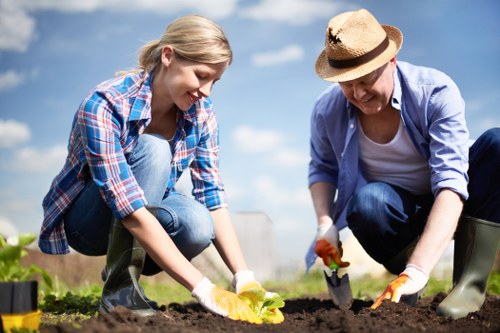 We operate in a locality where borough waste separation schemes are already well developed: the Ealing-style approach to kerbside separation (food / garden / dry recyclables) provides a helpful framework we adapt for on-site garden clearances and maintenance. Wherever possible we segregate soil, turf, woody material, and mixed green waste at the point of collection to reduce contamination and to maximise recycling outcomes at local transfer stations and composting facilities.
To make a tangible difference we partner with a network of local transfer stations and depot facilities that accept segregated green waste for processing. These include municipal transfer hubs within the borough as well as neighbouring depots that specialise in aerobic composting and wood-chipping. By routing materials to the correct transfer stations we support regional circular systems and reduce the need for landfill disposal.
We have formal relationships with community organisations and charities that benefit from reuse and redistribution. Usable soil, potted plants, and whole shrubs are offered to local community gardens, allotment groups and reuse-focused charities; surplus timber and reclaimed materials are donated to social enterprises for upcycling. These partnerships improve social value and reduce waste by giving material a second life rather than consigning it to the waste stream.
 Our fleet strategy is another visible commitment: Gardener Hanwell uses low-carbon vans where possible, including electric and hybrid vehicles, and has trialled biodiesel blends for larger plant delivery runs. Route optimisation software is used to minimise mileage and idling time, and regular maintenance keeps emissions low. For clients seeking a fully low-emission service we can prioritise electric crew vehicles and arrange timed collections to improve operational efficiency.
We combine practical on-site policies with clear client guidance: crews are trained to create a tidy, sustainable rubbish gardening area during every visit. That includes separating recyclable plastic pots and trays from biodegradable material, chipping woody cuttings for mulching, and storing inert spoil separately for reuse in hard landscaping. Small actions, consistently applied, deliver large reductions in waste sent to landfill.
Key sustainable actions we emphasise include:
- Source separation on-site — keeping green waste clean and uncontaminated.
- Composting and mulching — turning cuttings and leaves into soil conditioners.
- Redistribution to charities and community schemes to encourage reuse.
- Use of low-emission delivery and collection vehicles to cut carbon.
- Partnerships with authorised transfer stations that follow best-practice recovery routes.
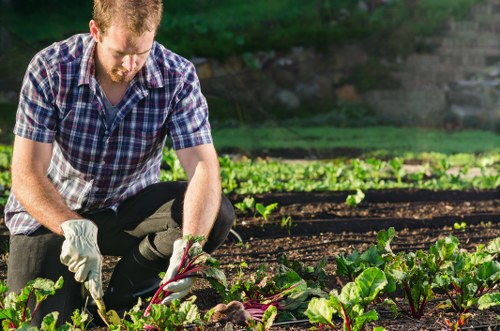 We also work closely with borough-level initiatives to complement municipal services: where local councils operate food-waste collections, we coordinate our pickups to avoid duplication and to funnel material into the borough’s approved anaerobic or aerobic processors. This collaborative model aligns Gardener Hanwell’s sustainable rubbish disposal approach with the borough’s policies on waste separation and recycling targets.
 Accountability is important: we monitor tonnages collected, percentages diverted from landfill, and the proportion of material given to partners versus processed at certified sites. Reports are used internally to track progress toward our 70% recycling target and to fine-tune logistics such as vehicle scheduling and site separation techniques. Over time these measures improve our carbon profile and strengthen the circular economy locally.
Why our eco-friendly disposal approach matters
Creating an effective eco-friendly waste disposal area on every job reduces environmental impact, helps clients meet sustainability goals for their properties, and supports local green infrastructure. By embracing a sustainable rubbish gardening area mindset — separating waste, donating what can be reused, and using low-carbon vans — we make better use of resources and reduce emissions across the whole service chain.
Commitment and continuous improvement
Gardener Hanwell is committed to ongoing improvement: setting measurable targets, expanding partnerships with charities and community groups, and investing in greener vehicles and smarter logistics. Together with local transfer stations and borough recycling schemes, we work to close the loop on garden and household organics, turning waste into a resource for soil improvement and community benefit.