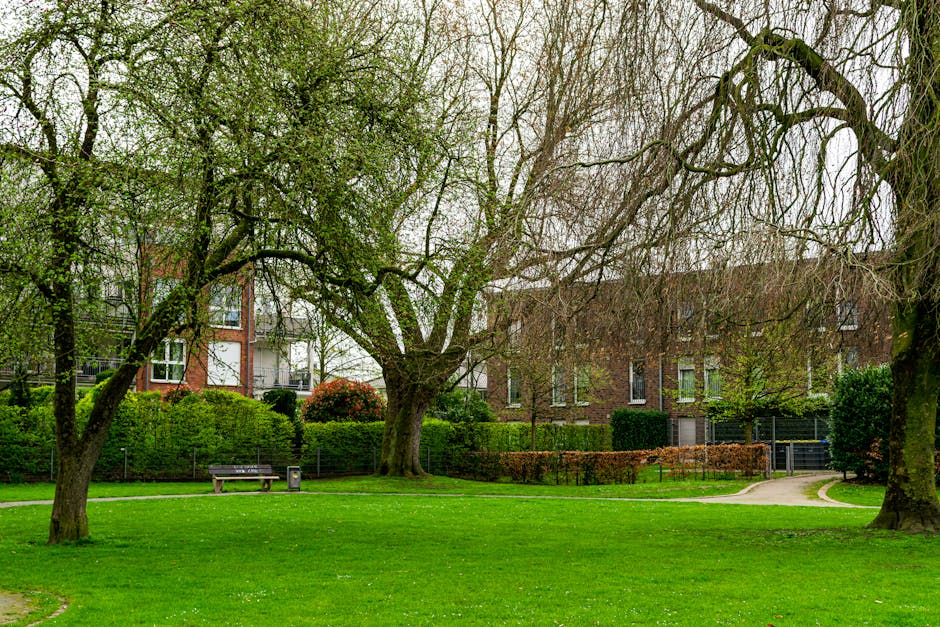
Boston Manor Park garden care checklist for Hanwell properties
If you live near Boston Manor Park, you already know gardens in this part of West London can be a bit of a mixed bag. One week the lawn looks fine, the next it is patchy, leafy, and somehow covered in bits of everything. A good Boston Manor Park garden care checklist for Hanwell properties takes the guesswork out of that. It gives you a practical rhythm for keeping your garden tidy, safe, and enjoyable through the year, without turning every weekend into a full-scale landscaping project.
This guide is written for homeowners, landlords, and property managers in Hanwell who want a clear, sensible approach. It covers seasonal tasks, common problem areas, when to call in help, and how to avoid the usual maintenance slip-ups. Truth be told, most gardens do not fail because they need one huge overhaul; they slip because small jobs get left too long. That is the real pain point.
Contents
- Why Boston Manor Park garden care checklist for Hanwell properties matters
- How the checklist works in practice
- Key benefits and practical advantages
- Who this is for and when it makes sense
- Step-by-step guidance
- Expert tips for better results
- Common mistakes to avoid
- Tools, resources and recommendations
- Law, compliance, standards, or best practice
- Options, methods, or comparison table
- Case study or real-world example
- Practical checklist
- Conclusion
- Frequently asked questions
Why Boston Manor Park garden care checklist for Hanwell properties Matters
Boston Manor Park sits in a busy, built-up corner of London where gardens often deal with shade, wind tunnels between buildings, heavier foot traffic, and the usual urban mix of fallen leaves, debris, and compacted soil. That matters because a garden in Hanwell is not just decorative. It affects kerb appeal, boundary security, drainage, pest control, and how the whole property feels when you step outside on a damp Tuesday morning and notice the back path has gone green again.
A checklist helps you move from reactive cleaning to steady upkeep. Instead of waiting until hedges are too high, lawns are scalping, or borders are swallowed by weeds, you handle the small jobs before they become awkward. That can mean less cost over time, fewer emergencies, and a garden that stays usable rather than merely survivable.
It also helps different people stay on the same page. If a landlord, tenant, and gardener all have different ideas of what "maintenance" means, things get messy fast. A written checklist gives a shared standard. Simple, but very effective.
If your garden has hard surfaces, overgrown edges, or poor access, it may be worth looking at garden maintenance support alongside your own routine. For larger resets, garden clearance can be the cleaner starting point before a maintenance plan begins.
How Boston Manor Park garden care checklist for Hanwell properties Works
The checklist works best when you break the garden into zones and seasons. That sounds a bit formal, but in practice it is just a smarter way of noticing what needs attention and when. A front garden near Boston Manor Park may need more visible presentation work, while a rear garden might need more practical checks around safety, soil health, and access.
Most effective garden care plans follow a simple pattern:
- Inspect the space for hazards, weeds, damage, and growth issues.
- Prioritise the jobs that affect safety, access, and plant health first.
- Carry out routine tasks such as mowing, trimming, edging, and clearing.
- Review what is recurring, what is seasonal, and what needs specialist help.
The key is consistency. A ten-minute weekly check can prevent a three-hour rescue job later. You do not need perfection. You need rhythm.
In a typical Hanwell property, the checklist should account for lawns, hedges, beds, paths, fences, trees, drains, and any timber features such as decking. If you already have outdoor structures, decking services can be relevant because deck boards, steps, and edges often become slippery or overrun by moss if they are ignored. For more substantial reworking, landscaping or landscape gardening may be the better long-term answer.
Key Benefits and Practical Advantages
A good garden care checklist does more than keep things tidy. It saves money, reduces stress, and protects the condition of the property. That is the short version. The longer version is a bit more interesting.
- Better kerb appeal: Neat edges, trimmed hedges, and healthy grass make a property look cared for immediately.
- Reduced maintenance spikes: Regular care stops tasks from ballooning into major jobs.
- Healthier growth: Plants, lawns, and shrubs respond better when they are managed before stress builds up.
- Lower safety risk: Clear paths, controlled growth, and removed debris reduce trips, slips, and blocked access.
- Improved usability: A garden you can actually use feels bigger, calmer, and more valuable.
There is also a practical comfort factor. On a warm evening, when the air smells a little earthy after watering and the lawn is cut cleanly, the whole place feels more inviting. That matters to families, tenants, and anyone trying to get a bit of peace outdoors after work.
For many Hanwell homes, a steady mowing and trimming routine is enough to keep the garden in good shape. That is where services like lawn mowing and hedge trimming fit naturally into the plan.
Who This Is For and When It Makes Sense
This checklist is useful for quite a wide group, not just keen gardeners. In fact, the people who benefit most are often the ones who do not have time to fuss over every border and blade of grass.
- Homeowners who want a garden that stays presentable with manageable effort.
- Landlords who need outdoor areas kept in decent condition between tenancies.
- Letting agents and property managers who want a repeatable standard for inspections.
- Busy families who need a simple plan that fits around real life.
- Older residents who want to reduce heavy lifting and risky overgrowth.
- New buyers who have inherited a neglected garden and do not know where to start.
It makes sense especially after heavy weather, a tenancy change, a long holiday, or the first warm spell of spring when everything suddenly wakes up. You know the scene: one week it looks manageable, the next there are weeds at the fence line and the hedge has started performing its own little takeover.
Step-by-Step Guidance
Below is a practical way to work through a Boston Manor Park garden care routine without overcomplicating it. Use it as a monthly plan, a seasonal reset, or a one-off recovery checklist depending on what your garden needs.
1. Start with a visible walk-through
Stand at the back door, then walk the whole garden slowly. Look for long grass, weeds, broken branches, standing water, moss, blind corners, and blocked access. This first pass gives you the real picture, not the hopeful one.
2. Clear the obvious clutter
Pick up fallen branches, old pots, dead plants, garden rubbish, and anything sitting on paths or lawns. If the garden has got out of hand, a broader tidy-up through garden clearance may be the quickest way to reset it.
3. Check the lawn
Look for scalping, bare patches, overgrowth, moss, and signs that the grass has been cut too short in dry weather. Regular lawn mowing keeps the lawn more even and usually helps it recover better after wet spells. Do not forget edging. It is one of those little jobs that makes the whole garden look cared for.
4. Deal with hedges and boundary growth
Hedges near driveways, paths, and fences should be trimmed before they start narrowing access or shading the whole border. With hedge trimming, the aim is neatness with structure, not just hacking the top off and hoping for the best. A slightly uneven hedge can be fixed. A badly butchered one takes longer to recover. Annoying, but true.
5. Inspect trees and tall shrubs
Look for deadwood, crossing branches, overhang onto paths, and anything rubbing against buildings. If a tree is causing shading, safety, or access issues, tree lopping and removal may need proper assessment. Best not to guess with trees. They are bigger and less forgiving than they look.
6. Weed beds and borders
Weeds are easiest to handle when they are small. Pull them from the root where possible and keep an eye on seed spread after wind and rain. A tidy border does not have to be bare; it just has to be deliberate.
7. Check drainage and damp areas
After rain, watch where water sits. Puddling near paths, sheds, or decking can point to compacted soil, poor falls, or blocked channels. If a timber area stays damp, it may need more than a quick sweep. This is where maintenance and landscaping decisions overlap a bit.
8. Review hard landscaping and timber features
Paths, patios, sleepers, fences, and decking all need periodic inspection. Loose boards, slippery patches, and cracked joints are not just cosmetic. They can become safety issues. If timber features are part of the garden, keep them on the same checklist rather than treating them as separate and forgotten.
9. Finish with a final tidy
Rake, sweep, bag waste responsibly, and step back again. If the garden still feels cluttered, it probably needs one more pass. That is usually the bit people skip, then wonder why the space still looks tired.
Expert Tips for Better Results
After enough garden jobs, a few patterns become obvious. The best gardens are not necessarily the fanciest ones; they are the ones that get small decisions right again and again.
- Trim little and often: Light, regular cutting is usually kinder than heavy, infrequent cutting.
- Work with the season: Spring and early autumn are ideal times for many tidying and reshaping jobs.
- Keep waste moving: Do not let piles sit for weeks. They attract damp, pests, and more work later.
- Watch the edges: Edges around paths, sheds, and fences often reveal neglect before the main lawn does.
- Use the weather wisely: Wet soil compacts easily; very dry turf can scalp if cut too hard.
One useful habit is to photograph the garden once a month. Nothing dramatic, just a quick record. It helps you see slow changes that are easy to miss when you walk through every day. A hedge that looks "fine" in your head can look a lot less fine side by side with last month's photo.
If your outdoor area includes custom surfaces or levels, it may be worth reading the service details for services overview before deciding whether to handle tasks yourself or bring in support. And if you want to understand business practices around scheduling, payment, or scope, the site's pricing and quotes page is a useful starting point.
Common Mistakes to Avoid
Most garden problems come from well-meaning shortcuts. That is the awkward truth. A few of the most common ones are easy to spot once you know what to look for.
- Cutting too much at once: A severe mow or hedge cut can shock the plant and leave bare patches.
- Ignoring hidden corners: Sides of sheds, fence lines, and behind bins often become weed reservoirs.
- Leaving debris in place: Damp clippings and dead leaves can block light, hold moisture, and create smell.
- Forgetting access routes: A garden can look tidy from one angle and still be awkward to walk through.
- Skipping tree checks: Small signs of deadwood can become bigger concerns if left alone.
A more subtle mistake is treating the garden as a single weekend task. It rarely is. The smarter approach is to split it into small, regular actions. Not glamorous, perhaps. Very effective, though.
Tools, Resources and Recommendations
You do not need a huge toolkit to keep most Hanwell gardens in good shape. A few reliable tools, used consistently, usually beat a shed full of things you only half trust.
| Task | Useful tools | What to look for |
|---|---|---|
| Lawn care | Mower, edging shears, rake | Clean cutting, safe handling, easy height adjustment |
| Hedge work | Hand shears, trimmer, gloves | Sharp blades and a comfortable grip |
| Weed control | Hand fork, trowel, bucket | Good reach into borders and roots |
| General tidy-up | Rake, bags, broom, loppers | Durability and easy cleanup |
| Tree and branch care | Secateurs, pruning saw, visual inspection | Safety first; do not overreach |
For bigger or messier jobs, professional help can be the practical choice. Garden maintenance is useful when you want recurring support, while service information helps you compare what is actually included. If a garden needs a fuller redesign rather than routine care, landscape gardening is worth considering.
One more practical note: use waste bags, gloves, and eye protection properly. It sounds obvious, but every gardener has had that moment where a twig seems to have a personal grudge. Better safe than blinking for ten minutes.
Law, Compliance, Standards, or Best Practice
Garden care in Hanwell is usually straightforward, but there are still sensible standards to follow. You do not need to make it complicated. You just need to be careful, especially with trees, access routes, waste, and anything that could affect neighbours or public space.
Good practice normally includes:
- keeping paths and entry points reasonably clear
- disposing of green waste responsibly
- avoiding unsafe DIY work at height
- checking tree work before making major cuts
- using appropriate protective equipment for cutting and clearing
If you are hiring someone, it is reasonable to ask about insurance, safety procedures, and how waste is handled. A reputable provider should be able to explain that clearly. The pages on insurance and safety and recycling and sustainability are useful for understanding how a professional service approaches those responsibilities.
If a job involves potentially hazardous access, heavy branches, or awkward surfaces, it is better to slow down than to push through. Gardens can be deceptive that way. One minute it is just a bit untidy, the next minute you are standing on a wobbly step wondering why this felt like a good Saturday plan.
Options, Methods, or Comparison Table
Different gardens need different levels of care. Here is a simple way to compare the main approaches.
| Approach | Best for | Pros | Watch-outs |
|---|---|---|---|
| DIY weekly checklist | Small to medium gardens in steady condition | Low cost, flexible, hands-on control | Easy to postpone; heavier jobs may be missed |
| Monthly tidy-up with seasonal checks | Gardens that stay mostly manageable | Balanced effort, good for busy households | Not enough for fast-growing or neglected spaces |
| Professional maintenance | Busy homeowners, landlords, or larger plots | Reliable timing, broader expertise, less hassle | Requires budgeting and clear scope |
| Clearance then maintenance | Overgrown, inherited, or neglected gardens | Fast reset and easier long-term upkeep | Heavier initial work before things settle |
For many Hanwell properties, the best answer is a mix: some routine DIY, plus scheduled help for the trickier jobs. That is usually the sweet spot. Not too much effort, not too much neglect.
Case Study or Real-World Example
Imagine a small rear garden near Boston Manor Park after a wet autumn and a slow winter. The lawn is patchy, the hedge has grown outward into the path, and the border near the fence has turned into a tangle of weeds and old stems. Nothing dramatic, just quietly messy. The kind of space people stop noticing because it has been allowed to drift.
The first move is not to start cutting everything. It is to clear the debris, identify what is actually healthy, and separate routine work from recovery work. The lawn might only need a careful mow and a few follow-up passes. The hedge may need shaping back over two visits rather than one harsh cut. The border could need weed removal, edging, and fresh planting later on, once the bed is visible again.
In that kind of situation, a sensible workflow is:
- clear waste and cut access back into shape
- deal with lawn and hedge structure
- check trees and hard surfaces for safety issues
- decide what can be maintained weekly and what needs a one-off reset
The result is not just a tidier garden. It is a garden that becomes easier to live with. That is the part people often forget. Good maintenance is not about chasing perfection. It is about making the space easy again.
Practical Checklist
Use this as a monthly or seasonal checklist for Boston Manor Park and wider Hanwell properties.
- Walk the garden and note hazards, overgrowth, and damp areas.
- Remove fallen branches, rubbish, old pots, and dead plant material.
- Mow the lawn at an appropriate height for the season.
- Trim hedges before they block paths, windows, or light.
- Check trees for deadwood, crossing limbs, or overhang.
- Weed borders and edges before roots spread too deeply.
- Inspect paths, decking, and steps for slippery or loose surfaces.
- Clear drains, channels, and water-collecting spots where safe to do so.
- Rake up clippings and bag green waste promptly.
- Decide whether any area now needs maintenance, clearance, or landscaping help.
Quick takeaway: if you can keep the garden tidy, safe, and easy to walk through, you are already doing the job well. The rest is refinement.
Conclusion
A solid Boston Manor Park garden care checklist for Hanwell properties is not about creating more work. It is about making the work more manageable. Once you stop treating the garden like one giant chore and start treating it as a sequence of small, sensible tasks, everything gets easier. The lawn settles, the hedges behave, the paths stay open, and the whole property feels more cared for.
That is especially useful in a place like Hanwell, where gardens can shift quickly with the weather and with the pace of daily life. Keep the routine light but consistent, and bring in professional help when the job needs more than a quick tidy. It is a calmer way to do things, and usually a smarter one too.
If you want help turning a one-off reset into an easier ongoing routine, start with the services that fit the state of your garden today, then build from there. A bit of structure goes a long way.
Get a free quote today and see how much you can save.
Frequently Asked Questions
What should be included in a Boston Manor Park garden care checklist?
A practical checklist should include lawn mowing, hedge trimming, weed removal, debris clearance, tree checks, path inspection, and a quick review of drainage and access points. If the garden has timber features or a lot of hard landscaping, add those to the same routine so nothing gets forgotten.
How often should I follow a garden care checklist in Hanwell?
For most homes, a light weekly check and a deeper monthly tidy works well. In spring and early summer, growth can move fast, so you may need to mow or trim more often. In quieter months, the schedule can ease off a bit.
Is this checklist suitable for rental properties?
Yes. In fact, it is especially useful for rental homes because it helps keep outdoor areas consistent between occupancies. Landlords and agents can use it to set a reasonable standard for presentation and upkeep.
When does a garden need clearance instead of maintenance?
If the space is heavily overgrown, full of waste, or hard to access safely, maintenance alone is usually not enough. That is the point where garden clearance makes more sense first, followed by maintenance once the garden is back under control.
Can I manage the checklist myself, or do I need professional help?
Many smaller gardens can be managed DIY if you stay consistent. Professional help becomes useful when you are short on time, dealing with heavy growth, or facing jobs that involve height, awkward access, or large amounts of waste.
What are the most commonly missed garden tasks?
People often forget edges, the back of borders, side passages, and areas behind sheds or bins. Tree checks and deck cleaning also get missed surprisingly often, which is how small issues quietly grow into bigger ones.
How do I know if a hedge has been trimmed too hard?
If large sections look bare, brown, or uneven after cutting, the hedge may have been reduced too severely. A good trim should shape the hedge without removing so much growth that it struggles to recover. If in doubt, lighter and more frequent is usually safer.
Do I need to worry about tree work myself?
Yes, if the tree is large, close to buildings, or showing signs of instability. Light pruning on small shrubs is one thing; bigger tree work is a different matter. For anything uncertain, professional assessment is the sensible route.
What is the best time of year to reset a neglected garden?
Spring and early autumn are often the most practical times for a reset because growth conditions are usually more forgiving. That said, if a garden is unsafe or inaccessible, it should be addressed as soon as possible rather than waiting for the "ideal" season.
How can I keep a garden tidy between full visits?
Use short, repeatable habits: 10-minute walks, quick weeding, regular mowing, and prompt waste removal. It sounds minor, but those little bits stop the space from slipping. Gardens rarely go wrong all at once.
Where can I find trusted information about the service approach?
You can review the company's about us page for background, services overview for service scope, and insurance and safety for reassurance on working practices.
What if my garden includes decking or mixed surfaces?
Then it is worth treating those areas as part of the same checklist rather than separate jobs. Decking, steps, paving, and borders all affect how safe and pleasant the garden feels. If those surfaces are worn or awkward, decking services or broader landscaping support may help.