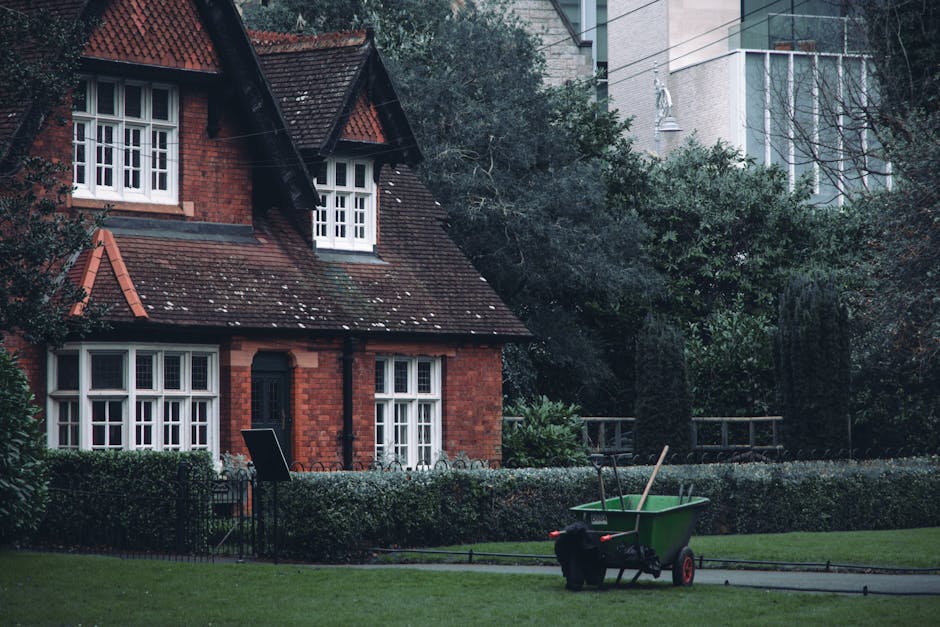
Garden maintenance tips for homes near Hanwell station
If you live near Hanwell station, you probably already know the rhythm of the area: busy mornings, commuter footfall, a bit of rail noise, and gardens that need to look good without demanding all your free time. The best garden maintenance tips for homes near Hanwell station are not about perfect lawns or showpiece planting. They are about keeping a practical, tidy, resilient outdoor space that copes with London weather, shade, pollution, and the usual stop-start pace of home life.
Truth be told, a small garden near a station can get overlooked quickly. One wet week, one windy spell, and suddenly the paths are slippery, hedges are leaning over, and the lawn has gone from acceptable to a bit sorry for itself. The good news? A simple routine, done consistently, makes a huge difference. In this guide, you will find clear, local-friendly advice on what to do, when to do it, and when it makes sense to bring in help from a professional team such as garden maintenance specialists.
We will cover the practical stuff: seasonal care, trimming, mowing, clearing, soil health, watering, safety, and the common mistakes that cost people time and money. Nothing fancy. Just the sort of guidance that actually helps on a real weekday evening when you have maybe twenty minutes and a mug of tea cooling beside you.
Table of Contents
- Why garden maintenance near Hanwell station matters
- How garden maintenance works in a local home setting
- Key benefits and practical advantages
- Who this is for and when it makes sense
- Step-by-step guidance for steady upkeep
- Expert tips for better results
- Common mistakes to avoid
- Tools, resources and recommendations
- Law, compliance, standards, and best practice
- Options, methods, and comparison table
- Case study or real-world example
- Practical checklist
- Conclusion
- Frequently asked questions
Why Garden maintenance tips for homes near Hanwell station Matters
Gardens near Hanwell station tend to face a mix of urban and suburban pressures. There is the usual London weather, of course, but also extra dust, compacted soil from regular use, and sometimes a feeling that the garden is more of a transit space than a place to pause. If your back garden gets used for bikes, bins, washing lines, pets, or a quick sit-out on a summer evening, maintenance becomes more than a cosmetic task.
A neglected garden can quickly create bigger jobs later. Dead patches in the lawn spread. Hedges grow denser and harder to cut back. Leaf litter blocks drains and beds. Weeds move in, and they are annoyingly efficient. To be fair, most gardens do not fail all at once; they drift. That is why steady upkeep is so valuable.
There is also the simple matter of presenting your home well. A tidy front garden, path edge, and boundary line makes a home feel cared for. If you are looking to sell, rent out, or just want the place to feel calmer when you get home after the train, well-kept outdoor space helps more than people expect. It is the first impression, even before the front door closes.
And near a station, convenience matters. You need routines that fit around work, not the other way around. That is why the best advice is practical, regular, and low-drama.
How Garden maintenance tips for homes near Hanwell station Works
Garden maintenance is not one task. It is a system of small jobs that support each other. Mowing keeps grass healthy and neat. Hedge trimming prevents overgrowth and improves light. Clearance removes clutter, fallen branches, and debris. Seasonal work helps beds recover, and checking drainage prevents waterlogging after heavy rain.
The easiest way to think about it is in layers:
- Surface care such as mowing, edging, sweeping, and pruning visible growth.
- Plant health care such as feeding, watering, deadheading, and checking for disease.
- Structure care such as managing hedges, trees, paths, fences, and decking areas.
- Reset work such as garden clearance, soil restoration, and replanting tired spaces.
In a local home near Hanwell station, this usually means making the garden easy to maintain rather than trying to force it into perfection. A decent routine will reduce weeds, keep boundaries under control, and stop small issues from becoming the kind of Saturday project you immediately regret.
If your garden includes larger structural features, it is worth treating them as part of the maintenance plan too. For example, a weathered patio edge, slippery decking board, or intrusive hedge can affect how usable the whole space feels. In those situations, a broader service mix such as landscaping support or decking services may be more useful than endless patch repairs.
Key Benefits and Practical Advantages
Good garden maintenance gives you more than a tidy look. It gives you breathing room. That sounds a bit grand, but anyone who has ever stepped into an overgrown garden on a damp evening will know exactly what I mean.
- Less weekend catch-up because tasks stay manageable.
- Better plant health thanks to regular pruning, watering, and feeding.
- Safer outdoor areas with fewer trip hazards, slippery surfaces, and hidden debris.
- Improved kerb appeal for visitors, buyers, tenants, or simply your own peace of mind.
- Stronger seasonal resilience when wind, rain, and cold weather hit.
- Lower long-term costs because problems are spotted earlier.
There is also a mental benefit that is difficult to measure but easy to feel. A garden that is under control tends to get used more. You sit outside. You open the doors more often. The space becomes part of daily life rather than something you apologise for when someone peeks through the fence.
Expert summary: the best maintenance strategy is usually the one you can repeat. A consistent, sensible routine beats heroic one-off efforts every single time.
Who This Is For and When It Makes Sense
These tips are for homeowners who want a garden that stays neat without becoming a second job. That includes small terraced gardens near the station, narrow city plots, family gardens with a bit of everything going on, and properties with shared front boundaries or visible street-facing beds.
It makes particular sense if:
- you have limited time during the week;
- your garden gets shaded by neighbouring buildings or mature trees;
- your grass always seems to look tired by midsummer;
- your hedges, shrubs, or climbers are getting out of hand;
- you have just moved in and inherited a garden with mixed standards;
- you want to improve value and presentation without major redesign.
It also makes sense if you keep saying, "I'll get to it next month." We have all been there. Next month often arrives with more weeds, not fewer.
Some homeowners only need light upkeep. Others need a reset before they can even begin routine care. If that sounds familiar, a one-off garden clearance can be the clean starting point you need before maintenance becomes realistic again.
Step-by-Step Guidance
Here is a practical routine you can adapt to the size and age of your garden. You do not need to do everything every week. The aim is steadiness, not stress.
1. Start with a quick walk-through
Walk the garden first thing, or at least before you pick up any tools. Look for broken stems, blocked drains, pests, trampled areas, and anything that seems to be spreading. This five-minute check saves time because it tells you what actually needs attention, rather than what feels urgent in the moment.
2. Tidy the obvious debris
Remove fallen leaves, twigs, spent flowers, and rubbish. If you leave this too long, it becomes damp mulch in the wrong places. Not ideal. A quick sweep around patios, paths, and borders keeps the whole space sharper and helps you see the plants properly.
3. Mow with purpose, not just habit
Grass does better when it is cut regularly, but not too short. Near Hanwell station, where gardens may sit in partial shade or get irregular sun, it is usually better to keep the lawn moderately neat rather than scalped. If the grass looks patchy, dull, or overworked, lift the blades a touch and let it recover.
If mowing feels like a never-ending loop, especially on a larger plot, a regular lawn mowing service can stop the lawn from running away with your weekend.
4. Trim hedges before they become a problem
Hedges are brilliant until they are not. They provide privacy, define boundaries, and soften the house line, but they also grow with absolute determination. Keep an eye on the sides and top, especially after strong growth in late spring and early summer. Trim little and often, rather than waiting for a full-blown jungle moment.
For thicker or taller boundaries, hedge trimming support can be a good option if access or height makes the job awkward.
5. Keep beds and borders breathable
Weed growth is often worse where soil is compacted or bare. Pull weeds before they seed, mulch where appropriate, and avoid leaving open soil exposed for too long. If a border looks tired, cut back weak growth and consider whether it needs a refresh rather than another quick tidy-up.
6. Check watering needs realistically
In London gardens, overwatering can be just as unhelpful as under-watering, especially in shady or sheltered spaces. Water deeply when needed, preferably early in the day, and focus on the root area rather than soaking leaves and paths. Pots usually need more attention than planted beds. That part never changes, annoyingly.
7. Inspect trees and woody growth
Look for dead branches, crossing limbs, or growth rubbing against walls, roofs, or lines of sight. Do not get too ambitious on large or risky trees with a ladder and optimism. If a tree is close to a structure or showing signs of instability, professional help is the sensible route. In some cases, tree lopping and removal may be needed to restore safety and light.
8. Finish with edges and surfaces
Clean edges make a garden feel finished. It is one of those small details that people notice without realising why. Use a stiff brush, edging tool, or careful hand-trim around paving, beds, and borders. If you have decking or a seated area, sweep it properly so the whole garden feels ready to use rather than half-tended.
Expert Tips for Better Results
The best maintenance habits are often the least dramatic ones. You will get more from good rhythm than from occasional bursts of energy. A few practical tips make a real difference:
- Cut little and often. Hedges, lawns, and climbers respond better to light, regular care than to severe cutting after months of neglect.
- Work with the light. In shaded gardens near railway lines or neighbouring buildings, choose plants and care routines that suit lower light levels.
- Protect the soil. Compacted soil drains badly. Avoid walking on wet beds, and use mulch where suitable to keep the surface healthier.
- Use the seasons. Spring is good for reset work, summer for control, autumn for clearing, and winter for structural checks.
- Make maintenance easy. Store tools in one place, keep a small waste bag handy, and set a recurring reminder. Small systems help more than motivation does.
A small human truth here: if the tools are buried in the shed under three broken plant pots and an ancient watering can, the garden will probably stay messy a bit longer. It is silly, but true.
Another overlooked tip is to keep an eye on the boundary between garden and hard landscaping. Moss, algae, and leaf build-up make paths and patios look older than they are. If the whole area feels uneven or tired, improving the layout through landscape gardening may be more effective than endlessly maintaining a poor setup.
Common Mistakes to Avoid
Garden maintenance mistakes are usually not dramatic. They are small decisions repeated too often. The good news is that most are easy to fix once you spot them.
- Cutting grass too short. This stresses the lawn and makes it more vulnerable in dry or shaded spots.
- Ignoring hedges until they are oversized. Large, woody growth is harder to manage and often messier to cut back.
- Leaving leaf litter in corners. Damp piles encourage slippage, rot, and pests.
- Using the wrong plant approach for the location. A sunny border idea may not work near a shaded station-side garden wall.
- Trying to do risky tree work yourself. Some jobs are simply not worth the ladder wobble.
- Only tidying the visible parts. The hidden stuff matters too, especially drains, side passages, and access routes.
One common issue in smaller properties is overfilling the garden with features that look nice but are hard to maintain. A decorative corner, raised bed, or timber structure can be lovely, but it should fit the real amount of upkeep you can give it. Otherwise, it just becomes another guilt spot. Nobody needs that.
Tools, Resources and Recommendations
You do not need a shed full of specialist equipment to keep a garden in good shape. A focused set of tools is usually enough:
- Hand shears or secateurs for light pruning and deadheading.
- Hedge trimmer for regular boundary shaping, where safe and appropriate.
- Lawn mower suited to the size and slope of the garden.
- Stiff broom for paths, decking, and patio surfaces.
- Rake or leaf collector for seasonal debris.
- Gloves and eye protection for basic safety.
- Wheelbarrow or garden bags for clearing waste efficiently.
If you would rather not build your own maintenance routine from scratch, it can help to look at a complete package of care. The services overview gives a useful picture of how different maintenance, trimming, clearance, and landscaping tasks fit together. For many homeowners, a combined approach is easier than arranging separate fixes every time something grows too fast.
It is also sensible to think about what happens to the waste. Cuttings, branches, and cleared materials can add up quickly. A provider with strong recycling and sustainability practices is often a better fit if you want less landfill and more responsible disposal.
Law, Compliance, Standards, and Best Practice
For most homeowners, garden maintenance is straightforward. Still, a few points deserve care and common sense.
First, tree work and larger cutting jobs should be handled cautiously. If branches affect neighbouring property, public access, or overhead hazards, it is best not to improvise. Safe working practice matters more than finishing quickly. Likewise, if a task involves height, power tools, or awkward access, follow sensible precautions and use trained help where needed.
Second, if you live in a shared setting, terrace, or boundary-sensitive property, be considerate about timing and access. A neighbour is much more likely to be cooperative when work is done neatly and without leaving clippings across the divide. Little things count.
Third, reputable garden contractors should work with insurance, clear communication, and straightforward terms. If you are comparing providers, it is reasonable to look at their insurance and safety information, their health and safety policy, and their terms and conditions. You are not being difficult by asking. You are being sensible.
For pricing and booking expectations, a transparent process matters too. A proper quote should explain what is included, what may cost extra, and whether clearance or disposal is part of the job. If you need a clearer starting point, pricing and quotes information is a useful place to begin.
Options, Methods, and Comparison Table
Different gardens need different levels of care. The right approach depends on time, budget, access, and how much you want to do yourself.
| Approach | Best for | Pros | Watch-outs |
|---|---|---|---|
| DIY weekly upkeep | Small, manageable gardens | Low cost, full control, flexible timing | Easy to fall behind; tools and disposal still need organising |
| Monthly professional maintenance | Busy households or medium gardens | Consistent results, less stress, tidy presentation | Needs budget planning and reliable scheduling |
| Seasonal reset plus light DIY | Gardens with moderate growth and some structure | Good balance of cost and control | Requires discipline between visits |
| Full clearance then maintenance | Overgrown or recently neglected gardens | Fastest way to regain usable space | May need more upfront work before routine care begins |
If your space has been left unchecked for a while, the reset-first approach is often the most realistic. It is not glamorous, but it works. Once the heavy lifting is done, maintenance becomes far easier to keep on top of.
Case Study or Real-World Example
Here is a typical local scenario. A homeowner near Hanwell station has a narrow rear garden used mostly for storing bikes, a small seating area, and a few planting beds. During spring, the lawn begins to thin out because of shade and foot traffic. The hedge starts to lean into the neighbour's side. Leaves collect against the fence, and the path becomes slippery after rain.
At first glance, it feels like a big job. But once broken down, it is manageable. The space gets cleared of debris, the hedge is trimmed back to a sensible line, the lawn is cut slightly higher to reduce stress, and the borders are mulched to suppress weeds. The path is brushed properly, and the seating area is cleaned so it actually gets used again.
What changed most was not just appearance. It was use. The owners stopped avoiding the garden and started using it for coffee in the morning and a bit of fresh air in the evening. That is the real win, honestly. A garden should earn its keep, even if it is tiny.
In cases like this, the combination of garden maintenance and occasional structural help can make the whole property feel calmer and more cared for without needing a redesign from scratch.
Practical Checklist
Use this quick checklist as a realistic maintenance rhythm for a home near Hanwell station:
- Walk the garden and spot issues before you start.
- Remove visible debris from paths, beds, and corners.
- Mow the lawn at a sensible height, not too low.
- Trim hedges lightly before they become too dense.
- Weed borders and refresh mulch where needed.
- Check pots, planters, and dry areas for watering needs.
- Inspect trees, tall shrubs, and awkward growth for safety issues.
- Brush hard surfaces so they stay usable and tidy.
- Clear away waste rather than letting it pile up.
- Review what needs a one-off reset versus normal upkeep.
Quick takeaway: if you can keep your garden tidy in small, regular passes, the whole space will feel easier, safer, and far less demanding. That is the sweet spot.
Conclusion
Good garden care near Hanwell station is really about keeping life simple. You want a garden that looks presentable, feels safe, and does not punish you every time you step outside. Regular mowing, sensible hedge trimming, debris removal, and seasonal checks will do most of the work. Add in a proper reset when things get out of hand, and the job becomes much easier to maintain long term.
If your garden has slipped into the "I'll deal with it later" category, that is fine. Most people get there at some point. The important thing is not to aim for perfection, but for a tidy, workable space you can enjoy without dread. Small steps. Steady habits. A little patience. That is usually enough.
Get a free quote today and see how much you can save.
If you would like a friendly team to help with the heavier work, have a look at the about us page to understand the approach, or contact us when you are ready to talk through what your garden actually needs.
Frequently Asked Questions
How often should I maintain a garden near Hanwell station?
For most homes, a light weekly tidy-up plus a deeper look every few weeks is a good rhythm. Lawns, hedges, and borders usually need attention at different speeds, so a single rigid schedule rarely works. A little often is better than a huge catch-up later.
What is the most important garden maintenance task in a small London garden?
Usually it is keeping growth under control. That means mowing, trimming, and clearing debris before it piles up. In small gardens, clutter and overgrowth are more noticeable, and they make the space feel smaller very quickly.
Should I cut my lawn very short to reduce how often I mow?
No, not usually. Cutting too short weakens the grass, especially in shaded or dry conditions. A slightly longer lawn tends to cope better and looks healthier. It may need mowing a bit more often, but the result is usually worth it.
When is the best time to trim hedges?
It depends on the hedge type and growth pattern, but regular light trimming during active growth is often better than waiting too long. If the hedge is getting dense or awkward, it is usually a sign to act sooner rather than later.
What should I do if my garden has become overgrown?
Start with a clearance plan. Remove obvious waste, cut back the biggest problem areas, and decide what can be saved versus what needs a reset. If the space has been neglected for some time, a one-off clearance followed by routine maintenance is often the simplest route.
Can I handle tree work myself?
Simple pruning may be fine for small, accessible growth, but anything tall, heavy, unstable, or close to structures should be treated carefully. Tree work carries real safety risks, so it is wise to get professional help when the job is beyond comfortable reach.
How do I keep a garden tidy during a busy work week?
Break it into small jobs. Ten minutes on a Monday, another quick pass later in the week, and a slightly longer session at the weekend is often enough. The key is not letting the garden become a "big job" in your head before it even starts.
Is garden maintenance worth paying for?
For many households, yes. It saves time, reduces stress, and helps prevent larger repair or clearance jobs later. It is especially useful if you work long hours, travel regularly, or have a garden with awkward access or faster growth.
What should be included in a garden maintenance visit?
That depends on the garden, but a typical visit might include mowing, edging, hedge trimming, weeding, debris removal, and a quick health check on plants and borders. A good provider should explain clearly what is included before work starts.
Do I need garden clearance before maintenance?
If the garden is heavily cluttered, yes, usually. Clearance removes the backlog so maintenance can actually keep things under control. Without that first step, routine care can feel like trying to empty a bucket with a teaspoon.
How can I make my garden easier to maintain long term?
Choose plants that suit the light and soil, keep paths and edges simple, avoid overcrowding, and create a routine you can realistically keep. Simpler layouts and consistent care often beat complicated designs that need constant attention.
What if I want maintenance plus a bigger outdoor refresh?
Then it may make sense to combine routine upkeep with improvements to structure or layout. Services such as landscape gardening or landscaping can help if the space needs more than trimming and tidying.
How do I choose a reliable local gardener?
Look for clear communication, sensible safety practices, transparent pricing, and services that match the condition of your garden. It also helps to check practical pages like insurance and safety and pricing and quotes so you know what to expect before booking.