Three Proven Tricks to Make Your Garden Mobile and Adaptable
Are you dreaming of a garden that can adjust to your lifestyle, cope with changing weather, or even move with you if you relocate? Creating a mobile and adaptable garden is not only possible but can be incredibly rewarding and convenient. Whether you're a city dweller with limited space, a renter worried about leaving your plants behind, or a seasoned gardener seeking versatility, this comprehensive guide unveils three proven tricks to transform your gardening experience.

Why Create a Mobile and Adaptable Garden?
Modern life demands flexibility--and so does your landscape. Portable or adaptive gardening solutions allow you to:
- Change your garden layout with the seasons, for optimal sunlight and aesthetics.
- Protect tender plants from harsh weather by moving them as needed.
- Bring your beloved plants with you when you move homes.
- Make the most of small spaces, patios, or balconies by maximizing adaptability.
- Experiment with creative gardening techniques and improve your urban gardening prowess.
Let's dig into the three game-changing tricks to make your garden mobile and adaptable.
Trick 1: Embrace Container Gardening for Total Mobility
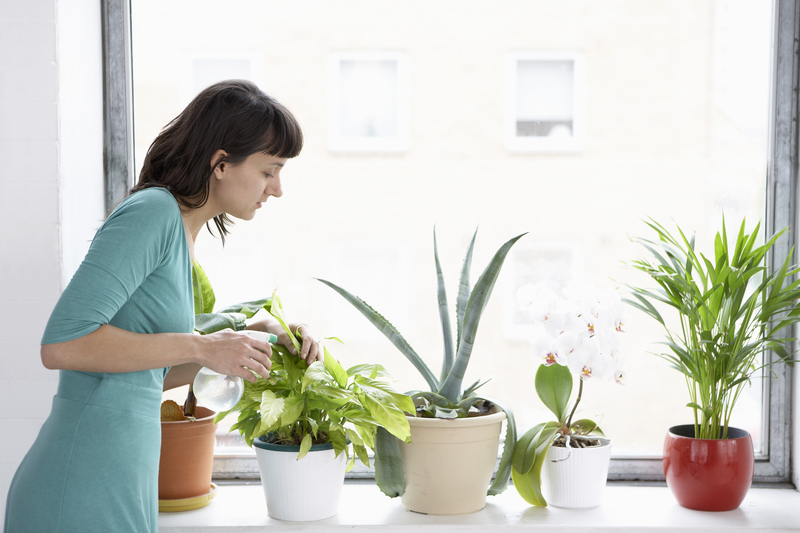
One of the most proven strategies for a flexible garden is container gardening. This method puts your plants in individual, portable pots or planters, offering unparalleled mobility and adaptability.
Benefits of Container/Portable Gardening
- Move plants effortlessly to adjust sun exposure, temperature, or simply redecorate.
- Control soil quality and moisture for each species independently.
- Grow edibles, flowers, or shrubs in almost any environment, from balconies to rooftop gardens.
- Reduce the risk of pests and diseases spreading across your entire garden.
How to Implement Container Gardening
Follow these steps to maximize your portable garden's potential:
- Choose the right containers: Pick pots or planters with proper drainage holes, made from lightweight materials like resin or fabric to ease movement.
- Plan your plant selection: Select compact veggies, dwarf shrubs, ornamental grass, or herbs that thrive in containers (think: cherry tomatoes, basil, petite roses, or succulents).
- Use quality soil mix: Container plants require well-draining, nutrient-rich soils formulated for potted use.
- Organize for mobility: Group containers by sunlight or care needs for easy rearrangement.
- Add rolling solutions: Place heavy pots on wheeled caddies or plant trolleys to make shifting effortless.
Container gardens unlock a world of flexibility, letting you reimagine your green space anytime.
Trick 2: Modular Raised Beds--Redesign on Demand
While raised beds are traditionally permanent, the emerging trend of modular raised beds brings adaptability and even portability to larger-scale gardening. These beds can be assembled, disassembled, and reconfigured, making them perfect for gardens that need to adapt or move.
Advantages of Modular Raised Beds
- Reorganize layout seasonally to match plant growth, sun orientation, and changing space needs.
- Minimize work when relocating--simply disassemble and move your bed frames and soil.
- Customize bed size and shape for awkward or limited spaces.
- Synergize with vertical gardening, trellises, or mini-greenhouses for an adaptable garden system.
Setting Up a Modular Raised Bed System
- Choose lightweight, durable materials: Opt for food-safe plastic, metal panels, or treated wood designed for garden use.
- Select modular kits: Many manufacturers provide kits with interlocking panels and tool-free assembly for DIY setups.
- Pick a sunny, accessible spot: Site placement is flexible since the beds can be reorganized as needed.
- Install movable irrigation: Soaker hoses or portable drip irrigation can be easily re-routed when you reshape your layout.
- Transition with the seasons: Move or reconfigure beds in spring and fall to match changing sunlight or your evolving needs.
With modular raised beds, you can create versatile growing zones that expand, contract, or move right along with you!
Trick 3: Vertical and Hanging Gardens for Ultimate Adaptability
To further enhance your garden's mobility and maximize the use of limited space, explore the innovative world of vertical gardens and hanging planters. These methods let you suspend your favorite plants on walls, fences, or ceilings, offering true adaptability--especially in small urban settings or if you frequently change homes.
Vertical & Hanging Garden Benefits
- Multiply plantable area without needing extra square footage.
- Enable quick relocation of entire plant displays by moving panels, racks, or hanging holders.
- Enhance privacy or shade using living green walls.
- Add aesthetic appeal and urban greenery to otherwise barren vertical surfaces.
How to Build Mobile Vertical or Hanging Gardens
- Pick the right system: Options range from commercial modular vertical garden panels to DIY hanging pots, shoe organizers, or gutter planters.
- Install on movable supports:
- Use freestanding racks, railings, fences, or temporary hooks--and avoid permanent fixtures if you're a renter.
- Select suitable plants: Opt for compact, cascading, or trailing species (such as strawberries, trailing petunias, lettuce, or pothos).
- Water smart: Consider self-watering vertical pockets or drip irrigation lines for even, low-maintenance care.
- Change arrangements anytime: Easily swap out or move modules, panels, or pots to create new designs or catch better sunlight.
Vertical and hanging gardens add a cutting-edge, adaptive dimension to any gardening space--plus, they're easy to take apart and reassemble elsewhere!
Additional Expert Tips to Make Your Garden Even More Adaptable
Alongside the three main tricks above, here are more tips to transform your gardening routine:
- Label and organize: Tag plants with weather-resistant markers and keep an inventory, especially if you move pots often.
- Portable tools & supplies: Use gardening aprons or rolling caddies to keep essentials mobile and close at hand.
- Rotating crop selection: Change plant types seasonally for ongoing harvests and healthy soil in both container and raised bed systems.
- Temporary structures: Use pop-up greenhouses, shade cloths, or cold frames on wheels to extend your growing season and shield plants during weather changes.
- Automate irrigation: Install quick-connect hoses, timers, or portable drip systems so watering stays consistent, even when you rearrange your garden.
Common Questions About Mobile and Adaptable Gardens
Can you grow all types of plants in a mobile garden?
With the right conditions, nearly any plant can be grown in a movable setup. However, compact, bushy, or trailing varieties generally fare best in containers, modular beds, or vertical systems. Larger trees and deep-rooted shrubs can be started in large, wheeled pots, but may require extra care and support.
Are mobile and adaptable gardens only for urban spaces?
Not at all! While adaptable gardens are popular in cities and small patios, homeowners with large backyards benefit too. Movable methods allow you to shift plantings for landscaping changes, special events, or weather protection.
What's the easiest way to make a large potted plant mobile?
Place it on a heavy-duty rolling plant caddy or platform. For extra-large pots, look for options with locking casters or pneumatic wheels that cope well with uneven ground.
What if I want to move my entire garden when moving house?
Focus on container-grown or bedded plants that can be lifted, disassembled, and transported easily. Harden off plants before transport, pack them securely, and re-establish the garden in your new location using the same adaptable methods.
In Summary: Unlock Your Garden's Full Mobility and Adaptability
Transforming your garden into a truly mobile and adaptable green space is not only achievable--but it will revolutionize the way you garden. To recap, the three proven tricks to make your garden mobile and adaptable are:
- Embrace container/portable gardening for ultimate flexibility.
- Build modular raised beds that can move and morph with your needs.
- Install vertical and hanging gardens to maximize every inch of space, anywhere.
Combine these proven strategies and additional expert tips to develop a garden that matches your dynamic lifestyle, adapts with the seasons, and moves when you do. With smart planning, high-quality containers, inventive structures, and a willingness to experiment, you'll discover endless possibilities for creating a garden that's as adaptable and mobile as you need it to be.
Ready to start your own flexible gardening journey? Apply these tricks and watch your urban, suburban, or even rural space blossom like never before--all on your own terms!
Embrace adaptability & mobility in your garden--because flexibility is the future of gardening!